
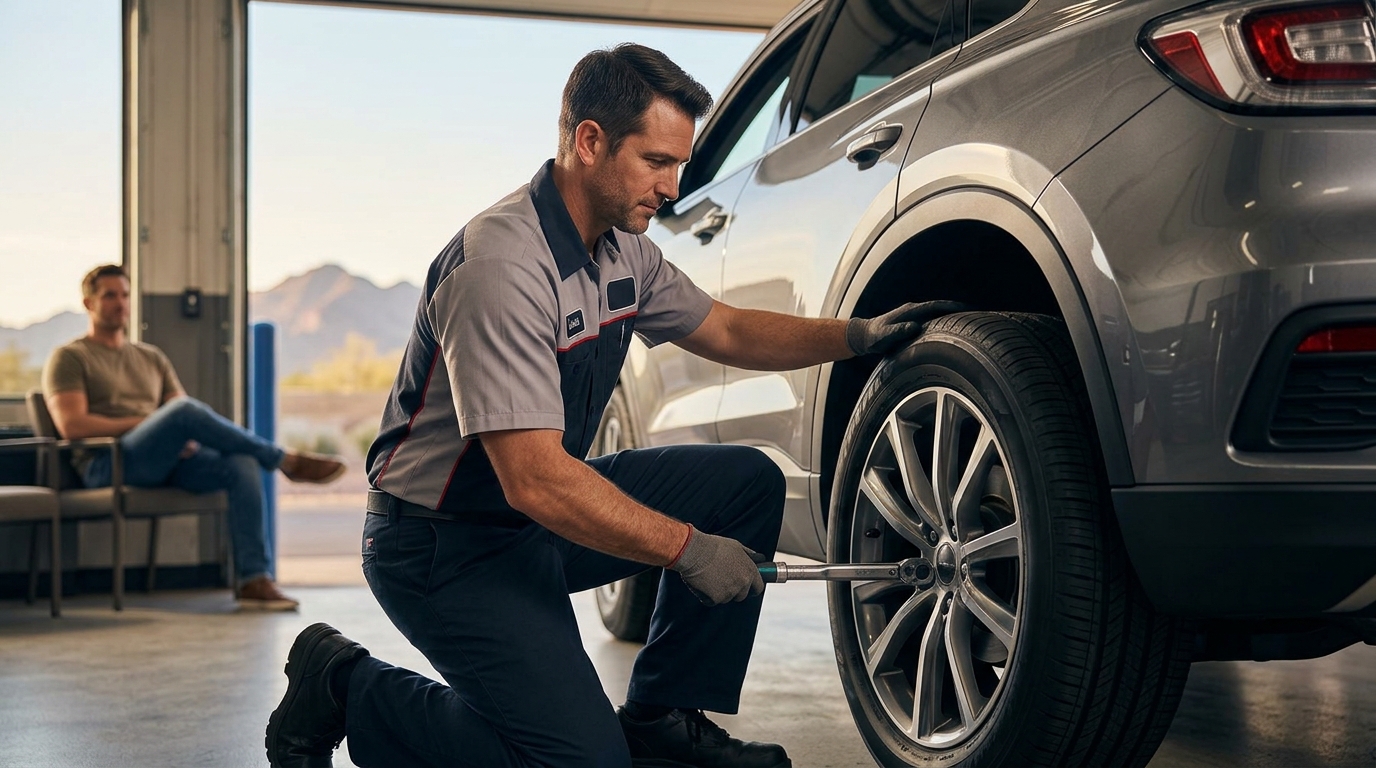
Where to Find Reliable Tire Installation in Phoenix AZ
Reliable tire installation in Phoenix, AZ, requires a shop with certified technicians, proper torque specifications, and a warranty on labor. This guide covers how to choose, verify, and schedule your service at Ace Auto Repair & Tire Pros, ensuring your vehicle's safety and performance.
How to Choose a Reliable Shop
Choosing a tire installation shop in Phoenix requires looking beyond price. A reliable shop prioritizes safety and precision. Tire installation is the process of mounting new tires onto wheels and balancing them for safe driving. You should look for a facility that uses modern diagnostic equipment. Ace Auto Repair & Tire Pros in San Ramon serves as a model for this standard, utilizing certified technicians and proven repair techniques. While located in the East Bay, their approach to quality workmanship and honest service is the benchmark for any Phoenix driver seeking reliability. A good shop will explain the condition of your current tires and recommend only what is necessary for your vehicle's safety.
Certifications and Equipment
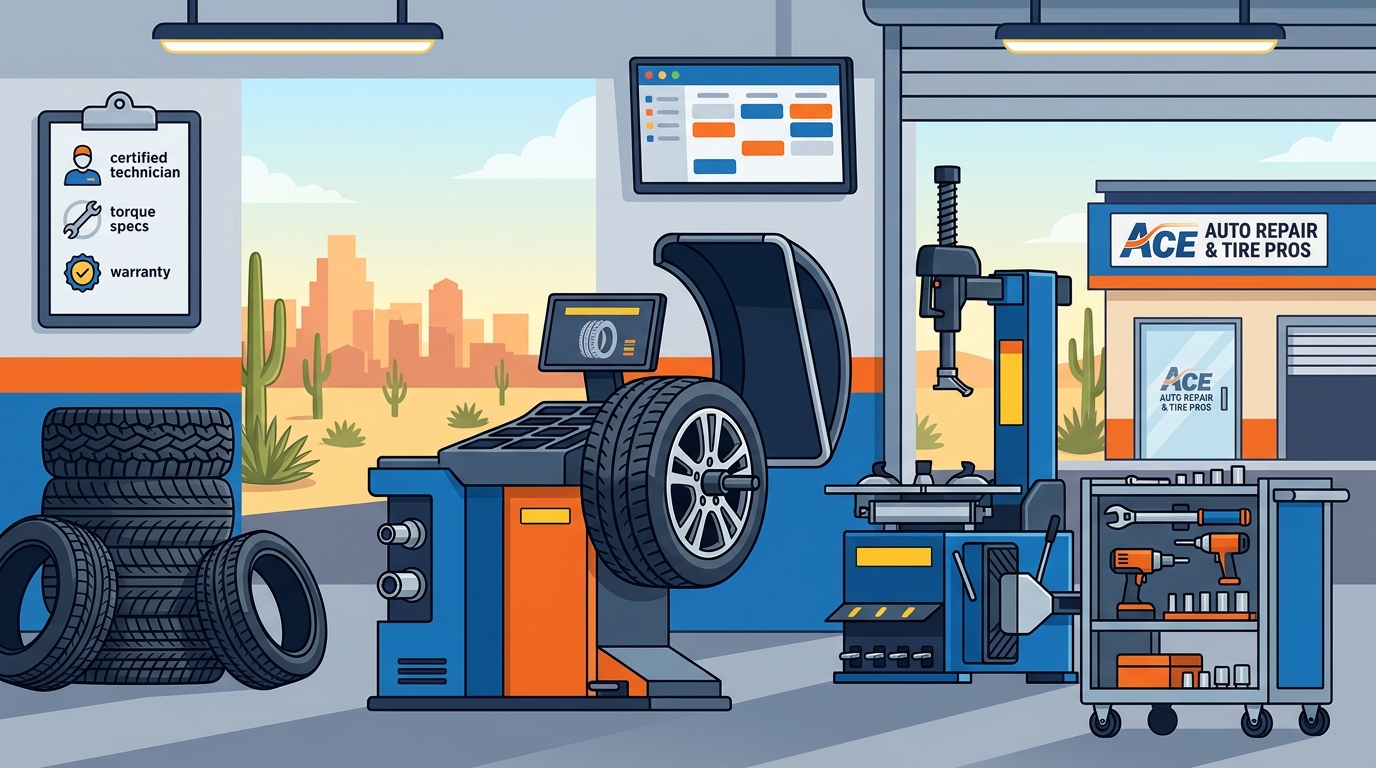
Verify that the shop uses computerized wheel balancing machines. These tools ensure that weight is distributed evenly across the wheel. Look for shops that employ technicians with ASE (Automotive Service Excellence) certification. This credential indicates a standardized level of skill and knowledge in automotive repair. Shops that invest in their staff and equipment are more likely to provide a durable and safe installation.
What to Ask Before Committing
Before you hand over your keys, ask specific questions to gauge the shop's professionalism. Inquire about the labor warranty they provide on the installation. A reputable shop will stand behind their work with a clear labor guarantee. Ask if they perform a torque check on the lug nuts after the first 50 miles. This is a critical step that many shops skip, leading to loose wheels and potential accidents. You should also ask about their policy on tire disposal and recycling. Responsible shops will handle the removal and recycling of your old tires in an environmentally safe manner.
Key Questions for the Technician
- Do you use a torque wrench for every wheel?
- Is the wheel balancing done on the wheel and tire assembly?
- What is your policy if a new tire fails within the first month?
How to Verify Credentials
Do not take a shop's word for their expertise. Verify their credentials through independent sources. Check for ASE certification by looking for the blue seal in the shop's window or on their website. You can also search for the shop's name in the ASE directory to confirm their status. Additionally, read recent online reviews to see if other customers have had positive experiences. Look for reviews that mention specific details about the service, such as the cleanliness of the shop or the clarity of the communication. This helps you verify that the shop's claims match their actual performance.
The Installation Process
Understanding the installation process helps you ensure that every step is completed correctly. The process begins with removing the old tires and inspecting the wheels for damage. Next, the new tires are mounted onto the wheels. This is followed by wheel balancing, where small weights are added to the back of the wheel to counteract any imbalance. Finally, the wheels are reinstalled on the vehicle, and the lug nuts are tightened to the manufacturer's specified torque. This entire process typically takes between 45 minutes and two hours, depending on the shop's volume and the complexity of the vehicle.
Step-by-Step Breakdown
- Inspection: Check wheels for bends or cracks.
- Mounting: Place new tires on wheels.
- Balancing: Add weights to ensure smooth rotation.
- Torqueing: Tighten lug nuts to spec.
Cost Factors and Pricing
The cost of tire installation varies based on several factors. The primary driver is the labor rate of the shop. Independent shops often charge less than dealership service centers. The type of vehicle also affects the price. Larger vehicles like SUVs and trucks may require more time and specialized equipment, leading to higher labor costs. Additionally, the complexity of the wheel design can impact the price. Deep-dish or intricate wheel designs can make it harder to mount the tire, increasing the time required. Always ask for a total price that includes both the tires and the installation labor to avoid surprises.
Common Mistakes to Avoid
One of the most common mistakes is skipping the wheel balancing. An unbalanced wheel causes uneven tire wear and a vibrating steering wheel. Another mistake is ignoring the torque specification. If the lug nuts are not tightened to the correct torque, the wheel can come loose while driving. This is a severe safety hazard. Additionally, many drivers fail to check their tire pressure after installation. New tires often require a specific pressure to perform optimally. Always check the pressure and adjust it according to the vehicle's manual. These simple oversights can lead to costly repairs and safety risks.
Alternatives to Professional Shops
Some drivers consider installing their own tires at home. While this can save on labor costs, it requires specialized tools and knowledge. Without a proper wheel balancer, it is impossible to ensure the wheel is balanced correctly. This can lead to premature tire wear and unsafe driving conditions. Another alternative is using a quick-lube shop. While these shops are convenient, they may not have the same level of expertise or equipment as a dedicated auto repair shop. For most drivers, a professional shop like Ace Auto Repair & Tire Pros offers the best balance of cost, safety, and quality.
Specific Vehicle Scenarios
Different vehicles have different tire installation needs. For example, vehicles with run-flat tires require specific handling during installation. Run-flat tires are stiffer and can be more difficult to mount. A shop without experience with run-flats may damage the tire or the wheel. Similarly, vehicles with TPMS (Tire Pressure Monitoring System) sensors require the sensors to be reprogrammed or replaced during installation. If the sensors are not handled correctly, the warning light on your dashboard will remain on. Always inform the shop about any specific features of your vehicle before the installation begins.
Consumer Protections and Rules
Consumers in Arizona are protected by state laws regarding auto repair. You have the right to receive a written estimate before any work is performed. If the final cost exceeds the estimate by a certain percentage, the shop must obtain your approval before proceeding. Additionally, you have the right to have your old parts returned to you. This allows you to verify that the parts were actually replaced. Familiarize yourself with these rights to ensure that you are treated fairly by any auto repair shop in Phoenix.
Phoenix Local Specifics
Phoenix's climate presents unique challenges for tire installation. The extreme heat can cause tire pressure to rise significantly. This means that tires installed in Phoenix may need more frequent pressure checks than those in cooler climates. Additionally, the intense sun can degrade rubber over time, leading to faster tire wear. When choosing tires for Phoenix, consider heat-resistant compounds and higher load ratings. Local shops in Phoenix are accustomed to these conditions and can recommend the best tire options for the area. Ace Auto Repair & Tire Pros, while based in San Ramon, understands the importance of climate-specific tire recommendations for their customers.
Timing Your Service
Timing your tire installation can save you money and hassle. Avoid scheduling your service during peak holiday seasons when shops are busiest. This can lead to longer wait times and higher prices. Additionally, consider the season when you are replacing your tires. In Phoenix, the summer heat can accelerate tire wear, so it is a good idea to have your tires inspected and replaced before the peak summer months. Scheduling your service in the spring or fall can help you avoid the worst of the heat and ensure that your tires are ready for the upcoming season.
Long-Term Results
A proper tire installation has long-term benefits for your vehicle. Correctly balanced and torqued tires last longer and provide a smoother ride. This reduces the strain on your vehicle's suspension and steering components. Over time, this can save you money on repairs. Additionally, proper tire installation improves fuel efficiency. Unbalanced tires increase rolling resistance, which can reduce your fuel economy by up to 3%. By investing in a professional installation, you are protecting your vehicle and saving money in the long run.
Key Takeaways
- Choose a shop with certified technicians and modern equipment.
- Ask about labor warranties and torque checks before committing.
- Verify credentials through independent sources like ASE.
- Understand the installation process to ensure all steps are completed.
- Be aware of cost factors like labor rates and vehicle type.
- Avoid common mistakes like skipping balancing and torque checks.
- Consider the pros and cons of DIY and quick-lube alternatives.
- Inform the shop about specific vehicle features like run-flats or TPMS.
Frequently Asked Questions
How long does tire installation take?
Tire installation typically takes between 45 minutes and two hours, depending on the shop's volume and the complexity of the vehicle.
Do I need to balance my tires every time I replace them?
Yes, every new tire should be balanced to ensure even wear and a smooth ride.
What is a torque check?
A torque check ensures that the lug nuts are tightened to the manufacturer's specified torque, preventing the wheel from coming loose.
Can I install my own tires at home?
While possible, it requires specialized tools and knowledge. Without a wheel balancer, it is not recommended.
How much does tire installation cost in Phoenix?
Costs vary based on labor rates and vehicle type. Always ask for a total price that includes both tires and labor.
What should I do if my tire pressure light stays on?
If the light stays on after installation, the TPMS sensors may need to be reprogrammed or replaced. Contact your shop for assistance.