
Before buying new tires, verify the exact size, load index, speed rating, and warranty terms. At Ace Auto Repair & Tire Pros in San Ramon, we help drivers confirm these specs to prevent costly fitment errors. This guide covers how to choose, verify, and time your tire purchase.
How to Choose: Separating Good from Bad
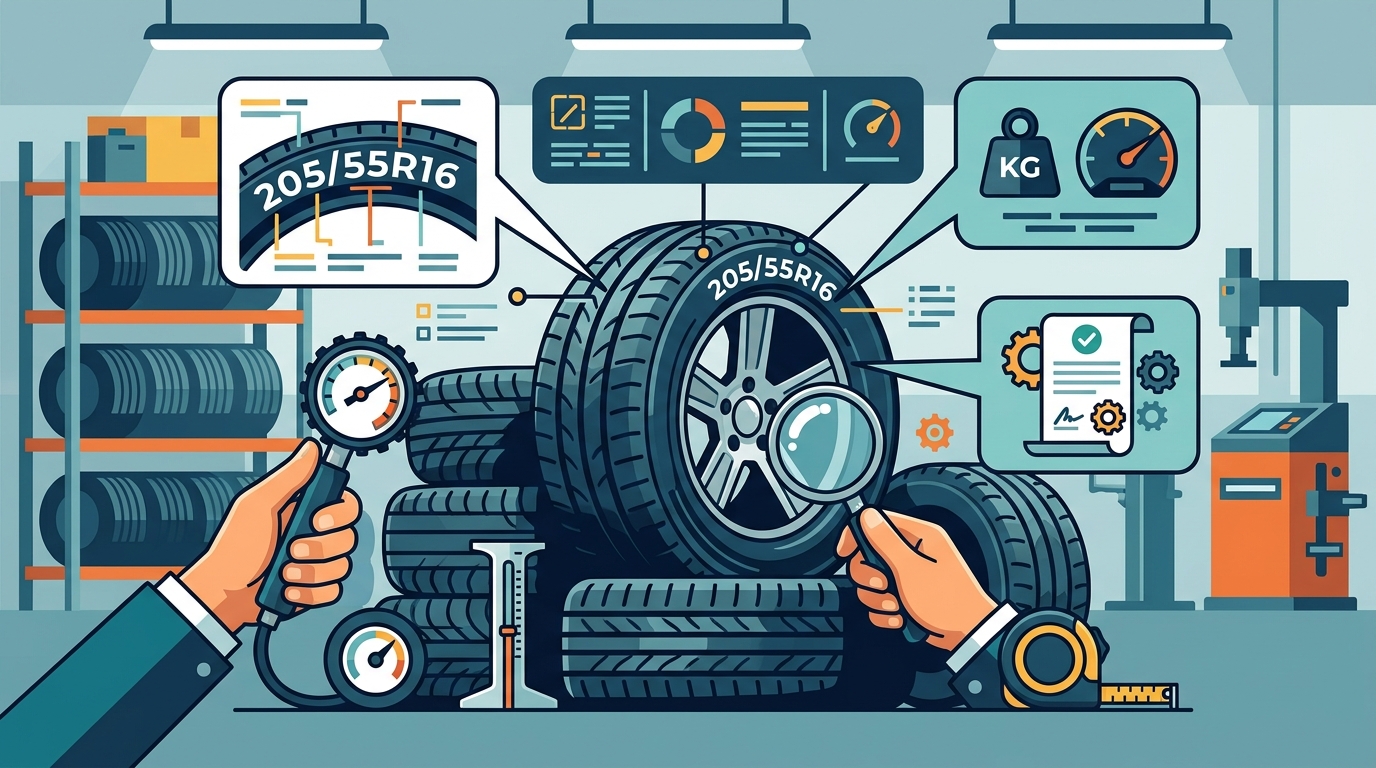
Tire selection is a decision based on physics and usage. A good tire matches your vehicle's weight and your driving habits. A bad tire is one that compromises safety for price. You must look beyond the brand name and examine the technical specifications printed on the sidewall.
Understanding the Sidewall
Load and Speed Ratings
Load index is a code that represents the maximum weight a tire can carry. Speed rating is a letter that indicates the maximum speed at which the tire is designed to operate. You should never install a tire with a lower load index or speed rating than the original equipment manufacturer (OEM) specified. Doing so can lead to tire failure under normal driving conditions.
What to Ask: Specific Questions
When you visit a shop, you need to ask targeted questions. Do not just ask for a quote. Ask about the specific model and its performance characteristics.
- Does this tire meet or exceed the OEM load and speed ratings?
- What is the treadwear warranty in miles?
- Is the tire covered by a road hazard warranty?
- What is the noise rating of this specific model?
At Ace Auto Repair & Tire Pros, our technicians can explain these metrics to you. We do not push high-margin products. We recommend the tire that fits your vehicle and your budget.
How to Verify: Checking Claims
Manufacturers make many claims about their products. You must verify these claims against independent data. A tire that claims to be "quiet" may not be. A tire that claims to be "durable" may wear out quickly in your climate.
Checking the DOT Code
Verifying Warranty Terms
Warranty terms are often complex. Read the fine print. Some warranties require you to pay a prorated fee for replacement. Some require you to keep the old tire. Verify that the warranty is honored by the shop where you are buying the tire. At Ace Auto Repair & Tire Pros, we honor the manufacturer's warranty and provide our own service protection.
How It Works: The Process
Buying tires is a multi-step process. It is not just a transaction. It is a service.
- Consultation: You discuss your needs with a technician.
- Selection: You choose a tire model based on recommendations.
- Ordering: The shop orders the tires if they are not in stock.
- Installation: The tires are mounted on the wheels.
- Alignment: The wheels are aligned to ensure even wear.
- TPMS Reset: The tire pressure monitoring system is reset.
This process typically takes 1 to 2 hours. If the tires are in stock, you can often leave the same day. If they need to be ordered, it may take 3 to 5 business days.
What It Costs: Price Drivers
Tire prices vary based on several factors. The most significant factor is the size of the tire. Larger tires cost more because they use more raw materials. The second factor is the brand. Premium brands cost more than economy brands. The third factor is the season. Tires are often discounted at the end of the season.
Hidden Costs
There are hidden costs to consider. Installation fees are usually separate from the tire price. Balancing fees are also separate. Disposal fees for old tires may apply. At Ace Auto Repair & Tire Pros, we provide a clear quote that includes all fees. There are no hidden costs.
What Goes Wrong: Common Mistakes
Drivers make several common mistakes when buying tires. The most common mistake is buying the wrong size. This can cause the tire to rub against the fender or the suspension. The second mistake is ignoring the load index. This can cause the tire to overheat and fail. The third mistake is not getting an alignment. This can cause uneven wear and reduce the life of the new tires.
Versus Alternatives: New vs. Used
Some drivers consider buying used tires. This is generally not recommended. Used tires may have hidden damage. They may be out of date. They may not have a valid warranty. New tires are a safer investment. They come with a full warranty and are in perfect condition.
For a Specific Situation: EVs and Hybrids
Electric vehicles (EVs) and hybrids have specific tire needs. They are heavier than gas vehicles. They have more torque. This means they need tires with a higher load index. They also need tires with lower rolling resistance to maximize range. At Ace Auto Repair & Tire Pros, we have experience with EV and hybrid tire needs. We can recommend tires that are specifically designed for these vehicles.
Rules and Protections: Your Rights
You have certain rights when buying tires. You have the right to a clear quote. You have the right to know the warranty terms. You have the right to a safe installation. If a tire fails due to a manufacturing defect, the manufacturer is responsible. If a tire fails due to improper installation, the shop is responsible. Keep your receipts and warranty cards.
Local Specifics: San Ramon, CA
San Ramon has a specific climate. It is hot in the summer and mild in the winter. This means you do not need winter tires. You need all-season or summer tires. The roads are generally smooth, but there are some rough patches. You need tires that are durable and resistant to heat. At Ace Auto Repair & Tire Pros, we are located in San Ramon and we know the local conditions. We can recommend tires that are best for the area.
Timing: When to Act
Timing is important when buying tires. The best time to buy tires is in the spring or fall. This is when manufacturers offer discounts. The worst time to buy tires is in the summer. This is when demand is high and prices are up. If you need tires urgently, you may have to pay more. Plan ahead to save money.
Results Over Time: Long-Term Outcomes
Buying the right tires has long-term benefits. It improves safety. It improves fuel efficiency. It improves the life of your vehicle. It also saves you money in the long run. A set of quality tires can last 50,000 to 70,000 miles. A set of cheap tires may last only 30,000 to 40,000 miles. The savings on fuel and repairs can offset the higher upfront cost of quality tires.
Key Takeaways
- Verify the size, load index, and speed rating before buying.
- Check the DOT code to ensure the tire is not too old.
- Ask about the warranty terms and hidden costs.
- Get an alignment with your new tires to ensure even wear.
- Consider the specific needs of your vehicle, such as EV or hybrid.
- Buy tires in the spring or fall to save money.
- Keep your receipts and warranty cards for your records.
- Choose a reputable shop with experienced technicians.
Frequently Asked Questions
How do I know what size tires I need?
Check your owner's manual or the sticker on the driver's side door jamb. It will list the recommended tire size. You can also check the sidewall of your current tires.
What is a load index?
A load index is a code that represents the maximum weight a tire can carry. It is a number printed on the sidewall of the tire.
What is a speed rating?
A speed rating is a letter that indicates the maximum speed at which the tire is designed to operate. It is printed on the sidewall of the tire.
How long do tires last?
Tires typically last 50,000 to 70,000 miles. This depends on driving habits, road conditions, and tire quality.
Do I need an alignment with new tires?
Yes, it is recommended to get an alignment with new tires. This ensures even wear and extends the life of the tires.
Can I buy used tires?
It is generally not recommended to buy used tires. They may have hidden damage and may not have a valid warranty.
How do I check the date of manufacture?
Look for the DOT code on the sidewall. The last four digits represent the week and year of manufacture.
Where can I buy tires in San Ramon?
You can buy tires at Ace Auto Repair & Tire Pros. We are located in San Ramon and we offer a wide selection of tires.