
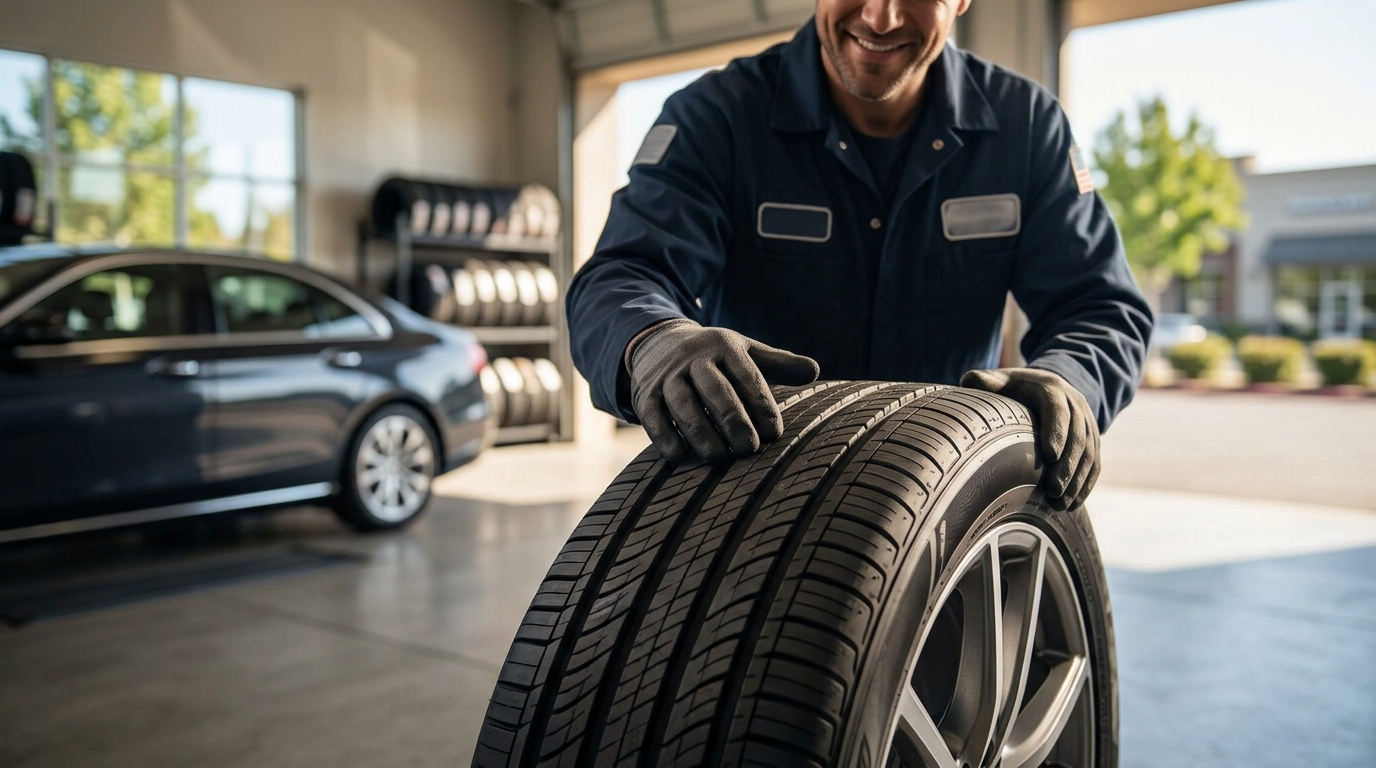
Before buying new tires, verify the exact size, load index, and speed rating match your vehicle's specifications, and confirm the shop's warranty terms. This guide covers how to evaluate tire options, verify credentials, understand costs, and avoid common mistakes when purchasing tires in San Ramon, CA.
How to Choose the Right Tires
Start by locating your current tire's sidewall markings or checking your vehicle's owner's manual. The size format typically looks like 225/45R17, where 225 is the width in millimeters, 45 is the aspect ratio (sidewall height as a percentage of width), and 17 is the rim diameter in inches. Never substitute a different size without verifying clearance and speedometer accuracy.
Evaluating Tire Brands and Models
Reputable tire manufacturers offer distinct product lines for different driving needs. All-season tires provide balanced performance in dry, wet, and light snow conditions. Performance tires prioritize handling and grip but may wear faster and offer shorter tread life. Winter tires use specialized rubber compounds that remain flexible in cold temperatures, providing superior traction on snow and ice.
At Ace Auto Repair & Tire Pros, we carry a wide selection of brands including Bridgestone, Michelin, Goodyear, and Continental. Each brand offers different tread patterns and compound technologies. Compare the specific model's features rather than just the brand name, as a budget model from a premium brand may differ significantly from its high-end counterparts.
Questions to Ask Before Committing
Before finalizing your purchase, ask the service provider specific questions about installation, warranty, and compatibility. These questions help you understand the total cost and service quality you will receive.
Essential Pre-Purchase Questions
- Does the price include installation, balancing, and disposal of old tires?
- What is the warranty coverage period and mileage limit?
- Do you offer a workmanship warranty on the installation?
- Can you verify the tire size matches my vehicle's specifications?
- What is your policy if I am not satisfied with the ride quality?
A reputable shop will answer these questions clearly and provide written documentation. If a provider is vague about warranty terms or installation fees, consider seeking a second opinion. At Ace Auto Repair & Tire Pros, we provide transparent pricing that includes all standard installation services.
Verifying Claims and Credentials
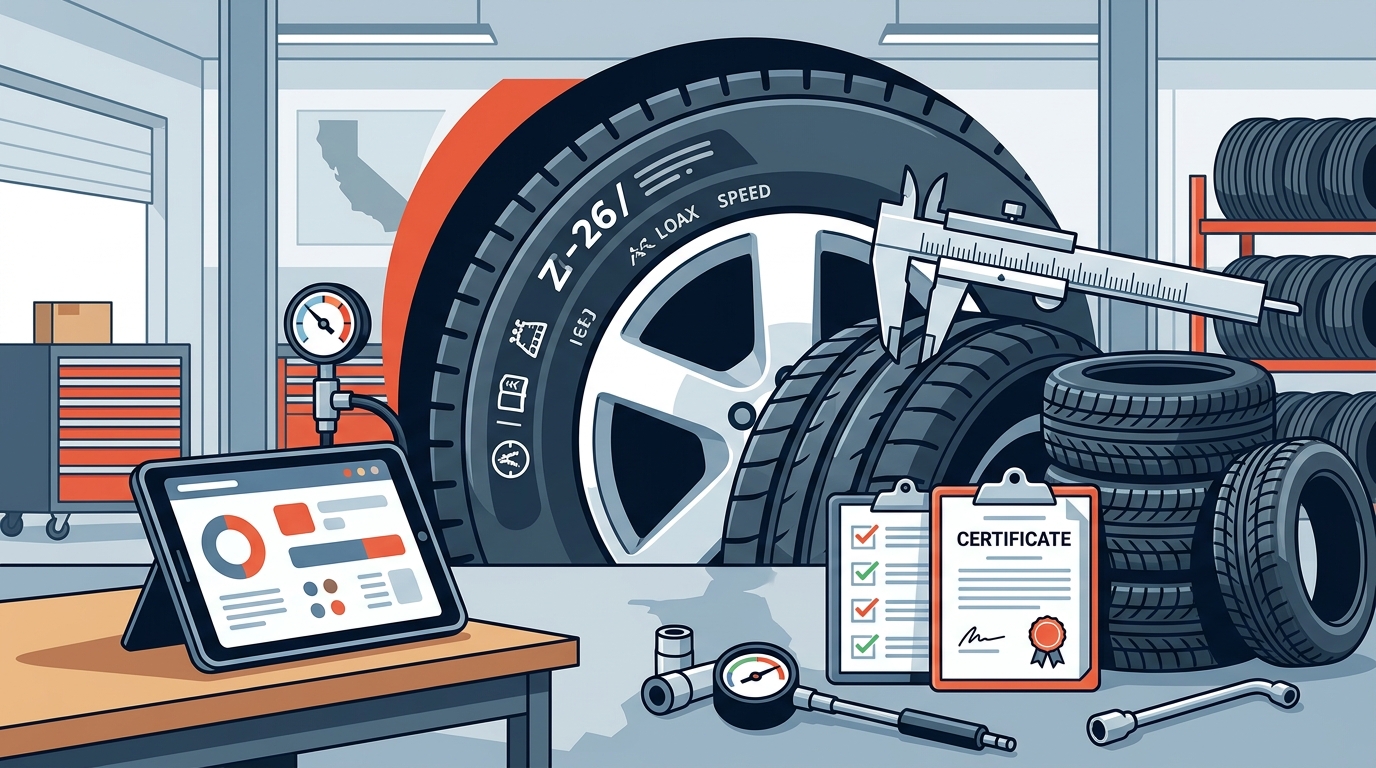
Verifying a shop's credentials ensures you are working with qualified technicians. Check for industry certifications such as ASE (Automotive Service Excellence) certification for technicians. Verify that the shop is authorized to sell the specific tire brands they advertise, as unauthorized dealers may not honor manufacturer warranties.
Checking Manufacturer Authorization
Most major tire manufacturers maintain lists of authorized dealers on their websites. If a shop claims to be an authorized dealer for a specific brand, verify this claim directly with the manufacturer. Unauthorized dealers may sell genuine tires but cannot provide the full manufacturer warranty, leaving you responsible for any tread wear or defect claims.
Additionally, check online reviews and ratings from multiple platforms. Look for patterns in feedback regarding communication, pricing transparency, and workmanship quality. A shop with consistent positive reviews over several years is generally more reliable than one with recent, isolated positive feedback.
The Tire Replacement Process
Understanding the tire replacement process helps you set realistic expectations for time and cost. The standard process involves several sequential steps that ensure your vehicle is safe and properly configured.
Step-by-Step Replacement Workflow
- Vehicle Inspection: Technicians inspect your current tires, wheels, suspension components, and brake system for wear or damage.
- Size Verification: The shop confirms the new tire size matches your vehicle's specifications and clearance requirements.
- Removal and Mounting: Old tires are removed, and new tires are mounted on your wheels using specialized equipment.
- Wheel Balancing: Each wheel is balanced to prevent vibration and uneven tire wear.
- Torque and Alignment Check: Lugs are torqued to manufacturer specifications, and wheel alignment is checked if necessary.
- Final Inspection: Tire pressures are set to recommended levels, and a final safety check is performed.
The entire process typically takes 1 to 2 hours for a standard passenger vehicle. At Ace Auto Repair & Tire Pros, we recommend scheduling an appointment to minimize wait times, though walk-ins are welcome when capacity allows.
Understanding Tire Costs
Tire costs vary based on brand, size, type, and additional services. The total cost includes the price of the tires, installation fees, balancing, and disposal of old tires. Budget tires typically cost less but may offer shorter tread life and lower performance. Premium tires cost more upfront but often provide better fuel efficiency, longer tread life, and superior safety features.
Factors That Influence Price
| Factor | Impact on Cost | Notes |
|---|---|---|
| Tire Size | Higher for larger diameters | 20-inch and larger tires cost significantly more than 16-inch tires |
| Brand Tier | Budget to Premium | Premium brands cost 30-50% more than budget brands |
| Tire Type | Winter tires cost more | Specialized compounds and tread patterns increase price |
| Load Index | Higher for heavy-duty | Truck and SUV tires with higher load ratings cost more |
| Installation Services | Varies by shop | Includes mounting, balancing, and disposal fees |
Common Mistakes to Avoid
Many drivers make avoidable mistakes when purchasing tires that lead to poor performance, safety risks, or financial loss. Understanding these common errors helps you make a more informed decision.
Top Mistakes to Avoid
- Buying the Wrong Size: Using a tire size that does not match your vehicle's specifications can cause clearance issues, speedometer inaccuracy, and unsafe handling.
- Ignoring Load Index: Selecting tires with a lower load index than required can lead to tire failure under heavy loads.
- Skipping Wheel Balancing: Unbalanced wheels cause vibration, uneven tire wear, and premature suspension damage.
- Not Checking Warranty Terms: Failing to understand warranty limitations can leave you without coverage for tread wear or defects.
- Buying from Unauthorized Dealers: Unauthorized dealers may not honor manufacturer warranties, leaving you responsible for any issues.
Take your time to verify all specifications and warranty terms before committing. A small amount of research can save you significant money and hassle in the long run.
New vs. Used vs. Recapped Tires
When considering tire options, you may encounter new, used, and recapped tires. Each option has distinct advantages and disadvantages that affect safety, cost, and performance.
Comparing Tire Options
| Option | Cost | Safety | Warranty | Best For |
|---|---|---|---|---|
| New Tires | Highest | Highest | Full manufacturer warranty | Daily drivers, safety-critical vehicles |
| Used Tires | Lowest | Variable | None or limited | Budget vehicles, short-term use |
| Recapped Tires | Moderate | Moderate | Limited | Commercial fleets, heavy-duty use |
Tire Selection for Specific Situations
Your driving conditions, vehicle type, and usage patterns should influence your tire selection. Different situations require different tire characteristics to ensure optimal performance and safety.
Situation-Based Recommendations
- City Driving: All-season tires with a focus on comfort and fuel efficiency. Look for tires with lower rolling resistance and quieter tread patterns.
- Highway Driving: Tires with stable high-speed performance and good wet traction. Premium all-season or touring tires are ideal for long-distance comfort.
- Winter Conditions: Dedicated winter tires with the snowflake symbol. These tires use specialized rubber compounds that remain flexible in cold temperatures.
- Off-Road Use: All-terrain or mud-terrain tires with aggressive tread patterns. These tires provide better traction on unpaved surfaces but may be noisier on pavement.
- Heavy Loads: Tires with a higher load index. Ensure the load index matches or exceeds your vehicle's requirements when carrying heavy cargo or passengers.
At Ace Auto Repair & Tire Pros, we can help you select the right tire type for your specific driving conditions and vehicle needs.
Consumer Protections and Warranties
Understanding your consumer rights and warranty protections helps you make a confident purchase. Tire warranties typically cover defects in materials and workmanship, as well as tread wear under normal conditions.
Understanding Warranty Coverage
Most major tire manufacturers offer tread wear warranties that guarantee a certain number of miles of usable tread. If the tires wear out before the warranty mileage limit, the manufacturer will replace them or provide a pro-rated refund. Workmanship warranties cover defects in the tire's construction, such as bubbles, bulges, or tread separation.
Installation warranties cover the shop's workmanship, including mounting, balancing, and torque specifications. If a wheel vibrates due to improper balancing, the installation warranty should cover the correction. Always request written documentation of all warranties and keep your receipts for reference.
San Ramon Local Considerations
Local driving conditions in San Ramon, CA, influence tire selection and maintenance needs. The area experiences hot summers and mild winters, with occasional rain and rare snowfall. These conditions affect tire wear, performance, and replacement timing.
Local Driving Factors
- Hot Climate: High temperatures can accelerate tire wear and increase the risk of blowouts. Ensure tires are properly inflated to compensate for heat-related pressure changes.
- Urban Roads: San Ramon's road conditions include smooth pavement, occasional potholes, and speed bumps. Choose tires with good durability and impact resistance.
- Seasonal Variations: While snow is rare, occasional cold snaps can affect tire performance. All-season tires are generally sufficient, but dedicated winter tires may be beneficial if you drive in higher elevations.
- Local Service Availability: Ace Auto Repair & Tire Pros is located at 2560 San Ramon Valley Blvd, San Ramon, CA 94583, providing convenient access to tire sales and installation services for local residents.
Consider your local driving patterns when selecting tires. If you primarily drive in the city, prioritize comfort and fuel efficiency. If you frequently travel on highways, prioritize stability and wet traction.
When to Replace Your Tires
Knowing when to replace your tires ensures safety and prevents costly damage to other vehicle components. Several indicators signal that your tires need replacement.
Replacement Indicators
- Tread Depth: Replace tires when tread depth reaches 2/32 of an inch. Use the penny test: insert a penny into the tread with Lincoln's head upside down. If you can see all of Lincoln's head, your tires need replacement.
- Age: Replace tires that are more than 6 to 10 years old, regardless of tread depth. Rubber degrades over time, increasing the risk of failure.
- Visible Damage: Replace tires with cuts, bulges, cracks, or exposed cords. These defects can lead to sudden tire failure.
- Uneven Wear: Uneven wear patterns may indicate alignment issues or suspension problems. Address these issues before replacing tires to prevent premature wear on new tires.
- Vibration: Persistent vibration at highway speeds may indicate unbalanced wheels or damaged tires. Have your wheels inspected and balanced if necessary.
Regular tire inspections help you identify replacement needs early. At Ace Auto Repair & Tire Pros, we offer comprehensive vehicle inspections that include tire condition assessments.
Long-Term Performance Expectations
Understanding long-term performance expectations helps you evaluate the value of your tire investment. New tires provide optimal performance from day one, but their characteristics change over time and mileage.
Performance Over Time
- First 5,000 Miles: New tires provide maximum grip and performance. Tread depth is at its highest, offering optimal wet and dry traction.
- 5,000 to 20,000 Miles: Tires begin to wear, but performance remains strong. Regular rotations help ensure even wear and extend tread life.
- 20,000 to 40,000 Miles: Tread depth decreases, and wet traction begins to decline. Monitor tread depth regularly and consider replacement if approaching 2/32 of an inch.
- 40,000+ Miles: Tires are near the end of their useful life. Performance is significantly reduced, and safety risks increase. Plan for replacement.
Proper maintenance, including regular rotations, alignments, and pressure checks, extends tire life and maintains performance. At Ace Auto Repair & Tire Pros, we offer comprehensive tire care services to help you maximize the life and performance of your tires.
Key Takeaways
- Verify tire size, load index, and speed rating match your vehicle's specifications before purchasing.
- Ask about installation fees, warranty terms, and compatibility before committing to a purchase.
- Verify that the shop is an authorized dealer for the tire brands they advertise.
- Understand the full replacement process, including inspection, mounting, balancing, and final checks.
- Request itemized quotes to avoid hidden fees for balancing, disposal, or alignment.
- Avoid common mistakes like buying the wrong size, ignoring load index, or skipping wheel balancing.
- Choose tires based on your specific driving conditions, vehicle type, and usage patterns.
- Replace tires when tread depth reaches 2/32 of an inch, age exceeds 6-10 years, or visible damage is present.
Frequently Asked Questions
How do I know what size tires my vehicle needs?
Check your vehicle's owner's manual or the placard on the driver's side door jamb. The recommended tire size is listed in a format like 225/45R17. You can also read the size on your current tire's sidewall.
What is the difference between load index and speed rating?
Load index indicates the maximum weight a tire can support, while speed rating indicates the maximum speed at which the tire is designed to operate. Both must match or exceed your vehicle's specifications.
Are used tires a good option?
Used tires are cheaper but may have hidden damage, uneven wear, or age-related degradation. For most passenger vehicles, new tires from an authorized dealer provide better safety and value.
How long does tire installation take?
Standard tire installation typically takes 1 to 2 hours for a passenger vehicle. This includes removal, mounting, balancing, and final inspection.
What is included in a tire warranty?
Tire warranties typically cover defects in materials and workmanship, as well as tread wear under normal conditions. Installation warranties cover the shop's workmanship, including mounting and balancing.
How often should I rotate my tires?
Rotate your tires every 5,000 to 7,500 miles, or as recommended by your vehicle manufacturer. Regular rotations ensure even wear and extend tire life.
Can I mix different tire brands on my vehicle?
It is not recommended to mix different tire brands, sizes, or types on the same axle. This can cause uneven wear, handling issues, and potential safety risks. Use identical tires on all four wheels when possible.
Where can I buy tires in San Ramon?
Ace Auto Repair & Tire Pros at 2560 San Ramon Valley Blvd, San Ramon, CA 94583 offers a wide selection of tires from major brands, along with professional installation services.
Ready to Buy New Tires?
Visit Ace Auto Repair & Tire Pros in San Ramon, CA, for expert tire selection, professional installation, and comprehensive vehicle care. Our certified technicians will help you choose the right tires for your vehicle and driving needs, ensuring safety, performance, and value.